
Missing teeth can do more than affect your smile. Tooth loss can affect your confidence, alter your speech, and even change the shape of your face. For many patients considering dental implants, there’s an essential but often overlooked step: the dental bone graft. At Renken Dentistry – Schön Dental in Springfield, IL, Dr. Renken and his expert team help patients rebuild their foundation for a healthy, confident smile.
Understanding the Role of Bone Grafting Before Dental Implants
Dental implants are one of the most advanced and reliable ways to replace missing teeth. However, to successfully support an implant, your jawbone must have enough volume and strength. If you’ve had missing teeth for a while, the jawbone in the area may have shrunk or deteriorated.
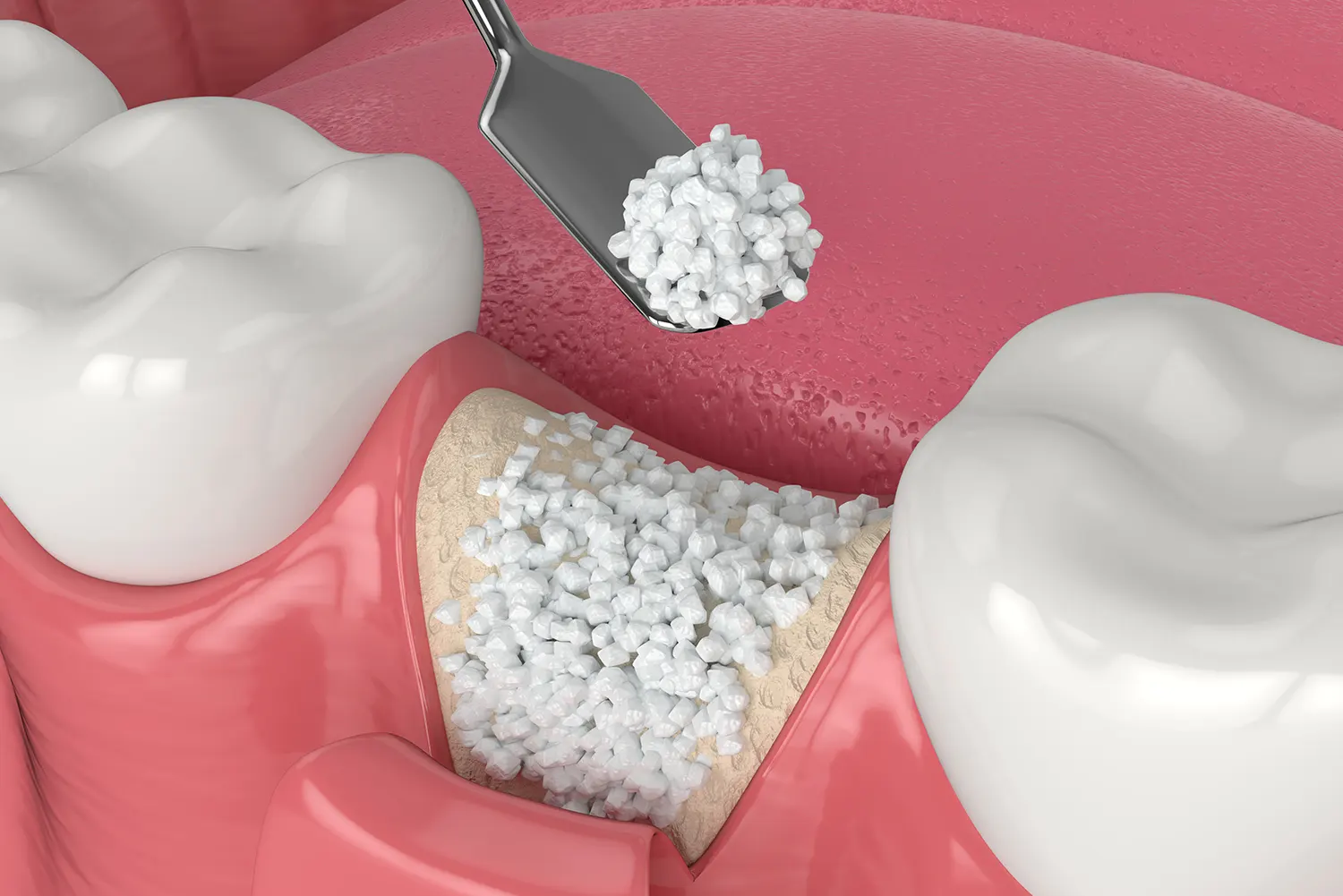
This can make the placement of implants difficult or impossible without extra support. And that’s where a dental bone graft comes in. Dental bone grafting is a surgical procedure that rebuilds and strengthens the bone in your jaw, creating a stable base for a future implant.
What Exactly is a Dental Bone Graft?
A dental bone graft involves placing bone material into areas of the jaw where bone is lacking or too thin to support an implant. As your mouth heals, this graft material integrates with your natural bone and creates healthy, strong, stable bone structure that’s perfect for supporting a dental implant.
Why Would I Need a Bone Graft Before Implants?
Even though many patients are eager to get dental implants, not everyone has the bone structure required right away. Bone loss commonly results from:
- Tooth loss that has been untreated for months or years
- Severe gum disease (periodontitis)
- Injury or trauma to the jaw
- Developmental deformities or natural bone deficiencies
If left unaddressed, these issues can compromise your ability to receive dental implants safely and successfully. A bone graft restores the required support and maximizes the success rate of dental implants.
Types of Bone Grafts Used at Renken Dentistry – Schön Dental
Dr. Renken uses various grafting techniques depending on the amount of bone loss and your long-term oral health goals. The most common types include:
- Socket Preservation: Performed immediately after a tooth is extracted to preserve bone in that area
- Ridge Augmentation: Rebuilds the jawbone’s natural shape after tooth loss
- Sinus Lift: Adds bone material under the sinus cavity when upper back teeth are missing
What to Expect During the Bone Grafting Process
At Renken Dentistry – Schön Dental in Springfield, IL, the procedure is always personalized and precise. Here’s a step-by-step look at what to expect:
- Consultation with Dr. Renken: Digital X-rays or 3D imaging will be used to assess your bone health and determine the right grafting plan.
- Graft Placement: During the procedure, the grafting material is carefully placed and secured in the jawbone under local anesthesia with optional sedation.
- Healing & Integration: Healing typically takes 3-6 months as your body regenerates bone and integrates the graft material.
- Implant Placement: Once the bone is stable, you’re ready to move forward confidently with dental implants.
While the process requires some patience, the long-term reward is a healthy, functional smile that can last a lifetime.
Benefits of Bone Grafting Before Implants
Undergoing a dental bone graft may feel like a delay, but it sets the stage for a successful implant experience. Benefits include:
- Stronger support and stability for implants
- Prevention of further bone loss
- Improved facial contours and oral function
- Long-term implant success and fewer complications
According to a study in the Journal of Oral Implantology, the success rate of dental implants in grafted areas is over 90%, highlighting the value of preparing properly.
Frequently Asked Questions About Dental Bone Grafts
Is the procedure painful?
Most patients report little discomfort during recovery, and any mild soreness is easily managed with prescribed or over-the-counter pain relievers. Dr. Renken and his team prioritize your comfort every step of the way.
Where does the bone material come from?
Bone grafts can be sourced from your own body, a human donor, an animal, or even synthetic materials. Dr. Renken selects the safest and most effective type based on your health and treatment plan.
How long before I can get my dental implants?
Healing varies but typically takes between 3 to 6 months. Once your new bone has fully integrated, you’re ready for implants.
Why Choose Renken Dentistry – Schön Dental in Springfield for Bone Grafting?
Choosing an experienced dental provider makes all the difference in procedures like bone grafts. At Renken Dentistry – Schön Dental, Dr. Renken brings years of clinical expertise combined with modern technology. We offer customized treatment plans that are designed to restore both health and confidence. Patients trust our team for:
- Advanced 3D imaging and diagnostics
- Comfort-focused care with sedation options
- Transparent communication and financing support
- Full dental implant services in one convenient location
From the first consultation to your final restoration, we’re with you at every step, ensuring you’re informed and comfortable throughout the journey.
Take the Next Step Toward a Healthier Smile
If you’re considering dental implants but have concerns about bone loss, a consultation at Renken Dentistry – Schön Dental can provide the answers and confidence you need. Don’t let time, fear, or uncertainty keep you from rebuilding your smile.
Call us today at (217) 635-3782 to schedule your consultation with Dr. Renken. Our team will guide you through every option and make sure you have a long-lasting, natural solution that truly shines. Your new smile starts with a strong foundation. Let us help you build it!